What Is China Supplier Verification?
China supplier verification is the systematic process of authenticating a vendor's legal identity, operational status, and manufacturing capabilities. It verifies official business licenses, production facilities, and corporate records to ensure you are dealing with a legitimate, qualified manufacturer rather than a fraudulent entity or middleman.
Why Verifying Chinese Suppliers Is Essential
Conducting thorough China supplier verification safeguards your investments, protects brand integrity, and minimizes cross-border trade risks before signing contracts or wiring funds.
- Confirm Legal Standing: Validate official SAMR records and business licenses directly against Chinese government databases.[1]
- Identify Direct Manufacturers: Differentiate genuine production facilities from unauthorized trading agencies posing as original factories.
- Secure Capital: Protect upfront deposits against fraudulent bank accounts, shell entities, and unverified vendors.
Common Risks of Working with Unverified Suppliers
Skipping a comprehensive credit report or background check exposes your supply chain to severe financial and operational disruptions.
| Sourcing Risk | Consequence for Buyers |
|---|---|
| Shell Companies & Fraud | Total loss of upfront wire transfers to fictitious entities. |
| Unannounced Subcontracting | Inconsistent product quality, bad materials, and missed delivery deadlines. |
| Regulatory Non-Compliance | Customs delays, import rejection, or fines due to invalid export documents. |
| IP Misappropriation | Unauthorized leaks or distribution of proprietary product designs. |
Key Benefits of Independent Background Checks
Utilizing independent third-party verification provides objective, real-time data to streamline strategic sourcing decisions.
- Vendor Authenticity: Gain complete visibility into legal ownership, actual registered capital, and operating scope.
- Quality Control Reliability: Confirm that facilities adhere to valid quality management standards and production capabilities.
- Trade Compliance: Safeguard your business by partnering exclusively with tax-compliant, legally sound manufacturing partners.
What Is Included in a China Supplier Verification Report
A comprehensive China supplier verification report cuts through marketing noise to reveal the true operational status of a vendor. As purchasing agents, we compile these reports to give growing private label brands and scaling Shopify e-commerce brands complete visibility before signing contracts or transferring deposits.
Business License and Official Registration Data
We cross-reference every business detail directly against official SAMR records (State Administration for Market Regulation) to guarantee vendor authenticity.[1] Essential registration details checked include:
- Legal Entity Name: Exact Chinese registered name and official Unified Social Credit Code.
- Registered & Paid-in Capital: Confirms financial scale and real cash backing.
- Operating Status: Verifies the firm is active and not dissolved, suspended, or blacklisted.
- Business Scope: Ensures the factory is legally authorized to manufacture your specific goods.
- Legal Representative: Identifies legal ownership, key executives, and shareholding structures.
Litigation History and Administrative Penalties
Uncovering legal disputes is critical to reducing your sourcing risk. Our detailed background check scans Chinese judicial databases for red flags:
| Inspection Area | Data Reviewed |
|---|---|
| Court Judgments | Pending lawsuits, breach of contract cases, and financial defaults |
| Regulatory Penalties | Environmental, safety, or labor fines from municipal bureaus |
| Blacklist Status | Listing on the official "Dishonest Enforced Persons" registry[2] |
Tax Credit and Import-Export Compliance
To avoid border holds and logistics delays, we evaluate a supplier's cross-border standing for full trade compliance:[3]
- Customs Registration: Validates direct export capability versus reliance on middleman trading companies.
- Tax Rating System: Checks official government tax grades (Class A being top tier).
- Export Authorization: Verifies current permits for regulated goods and international shipping.
Intellectual Property and Quality Certificates
We verify that factory certifications and technical claims are genuine, ensuring your product meets international standards:
- IP Ownership: Validates registered Chinese patents, utility models, and trademarks.[4]
- Quality Management Standards: Cross-checks ISO 9001, ISO 14001, or BSCI claims directly with accredited issuing bodies.[5]
- Quality Control Testing: Reviews factory testing protocols and past third party verification documentation.
How to Verify a Chinese Supplier Step-by-Step
Protecting your supply chain requires a structured China supplier verification process. We follow four direct steps to vet potential manufacturing partners and eliminate sourcing risk before signing contracts or transferring deposits.
Step 1: Gather Basic Company Registration Details
Start by requesting foundational documentation directly from the vendor to conduct an initial business license check.
- Official Business License: Request a full-color scan of their business license showing the 18-digit Unified Social Credit Code.
- Legal Chinese Name: Obtain the exact legal company name in simplified Chinese characters, as English trading names carry no legal weight in China.
- Registered Information: Note the legal representative, registered capital, establishment date, and registered address.
- Business Scope: Confirm that manufacturing or trading your specific product category is explicitly listed in their legal scope.
Step 2: Cross-Check Official Chinese Government Databases
Never rely solely on documents provided by the vendor. Validate all information against official SAMR records (State Administration for Market Regulation) using national corporate publicity databases.[1]
- Operational Status: Verify the company is active and not marked as "in abnormal operation" or liquidating.
- Ownership Hierarchy: Review shareholder structures, registered capital payment history, and key management personnel.
- Disciplinary Records: Check for administrative penalties, false advertising fines, or severe legal violations.
For businesses looking to streamline this process, leveraging an established supplier network accelerates procurement while maintaining high operational standards.
Step 3: Review Financial, Tax, and Legal Compliance
A complete background check requires evaluating the vendor's financial stability and legal standing to ensure long-term reliability.
- Litigation History: Search judicial database records to confirm the vendor has no open contract disputes, unpaid debt judgments, or commercial fraud suits.
- Tax & Customs Status: Confirm their official tax credit rating and verify active import-export registration details.
- Corporate Credit Report: Review comprehensive financial reports to verify active bank accounts and confirm vendor authenticity.
Step 4: Order an Independent Third-Party Audit Report
Paper checks establish legitimacy, but physical third party verification guarantees operational capability on the factory floor.
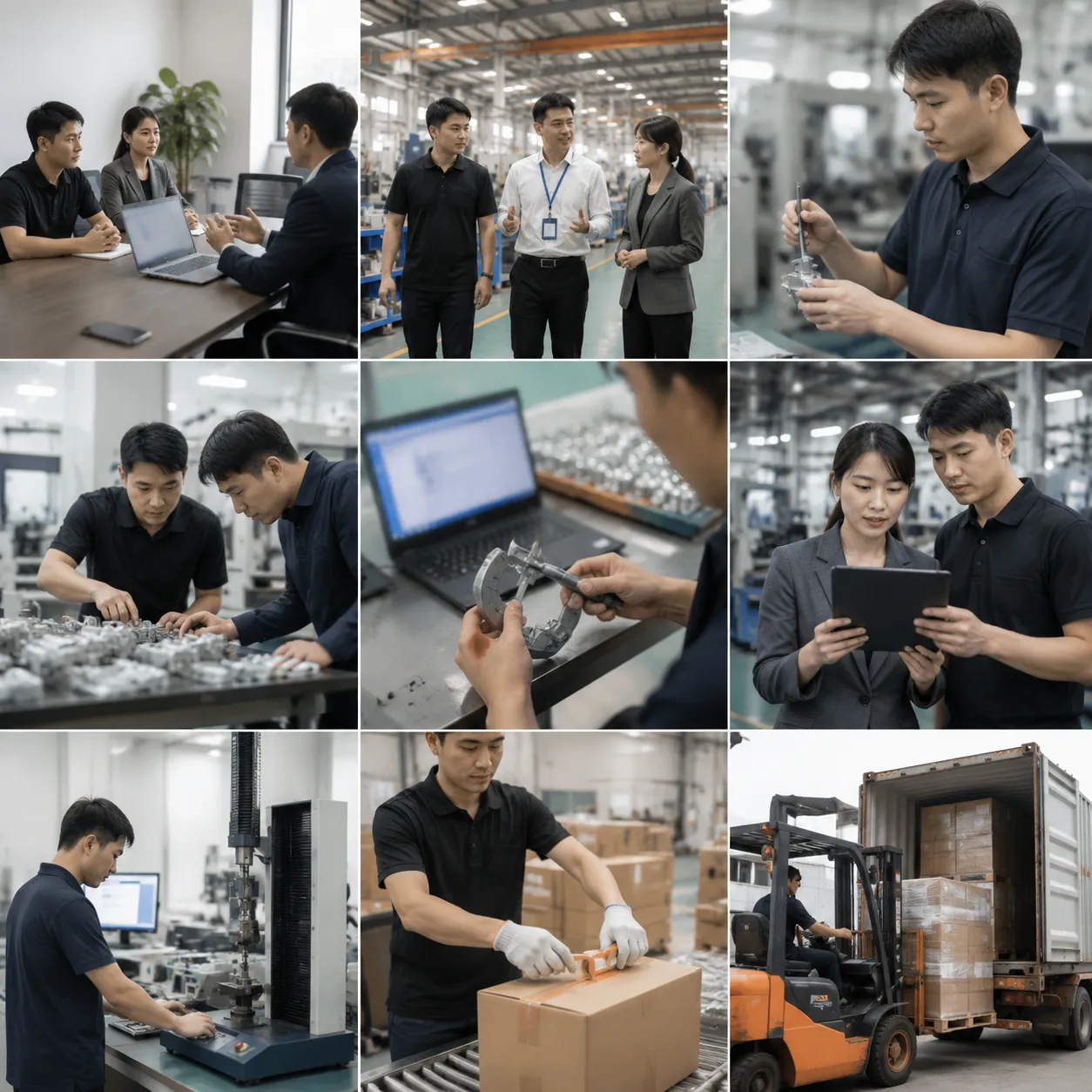
- On-Site Factory Audit: Send an independent auditor to inspect physical facilities, working machinery, warehouse space, and active labor force through a structured supplier verification engagement.
- Quality Control Testing: Inspect raw materials, review defect management procedures, and verify valid international compliance certifications alongside on-site quality inspection checks.
- Capacity Verification: Confirm actual production output against quoted lead times to ensure your order will not be secretly sub-contracted to an unvetted facility.
How to Choose a China Supplier Verification Partner
Selecting the ideal partner for your China supplier verification protects your business from fraud and costly supply chain delays. As an experienced purchasing agent, we know that working with a reliable verification team makes all the difference in mitigating sourcing risk before you transfer funds.
Data Accuracy and Real-Time Official Sources
A dependable partner must pull real-time information directly from government registries, including SAMR records and official court databases. This guarantees your vendor authenticity check reflects the factory's current legal status and operational capacity. To build a secure supply chain from end to end, refer to our comprehensive China sourcing guide for expert management strategies.
Turnaround Time and Report Comprehensiveness
Look for service providers that deliver actionable background check insights quickly without missing critical red flags. A solid evaluation should break down key metrics clearly:
- Official Business License Check: Verifies registered capital, legal scope, and company ownership.
- Financial & Credit Report Status: Highlights tax status, bank credibility, and debt obligations.
- Regulatory & Trade Compliance: Confirms export licenses, customs clearance standing, and operational history.

Independent and Unbiased Auditing Standards
Your verification partner must act strictly as an objective third party with zero financial ties to suppliers. Independent third party verification guarantees an honest, unvarnished look into a facility. Whether conducting on-site factory audit checks or quality control testing, unbiased reporting ensures you get true operational visibility before signing purchase agreements.
Frequently Asked Questions About China Supplier Verification
How Much Does a China Supplier Verification Report Cost?
Costs vary based on the depth of the investigation and your specific sourcing risk:
- Basic Online Credit Report: Ranges from $50 to $200 for a swift business license check and official registration lookup.
- In-Depth Third Party Verification: Ranges from $300 to $1,000+ for comprehensive checks that include an on-site factory audit and quality control testing.
Vetting high-volume orders for products like wholesale tableware warrants a full physical inspection, whereas simple preliminary vendor screening may only require a digital background check.
Does the Chinese Supplier Know They Are Being Checked?
It depends on the verification method:
- Desktop Verification: Purely online checks - such as reviewing corporate filings, tax status, and public records - are completely discreet. The supplier is not notified.
- On-Site Audits: Physical factory visits require scheduling and advance coordination to verify vendor authenticity, inspect machinery, and review working conditions.
How Current Is the Data Used in Verification Reports?
We access official government networks directly to deliver up-to-date information:
- Real-Time Updates: Company registration status, legal dispute records, and licensing changes update instantly.
- Annual Submissions: Financial summaries, tax compliance metrics, and official SAMR records reflect the supplier's most recent annual filings.
What Official Data Sources Are Used to Verify Companies?
A thorough china supplier verification cross-references several primary authoritative databases:
- SAMR (State Administration for Market Regulation): Confirms legal corporate status, business scope, registered capital, and key executive names.
- National Enterprise Credit Information Publicity System: Highlights operational anomalies, legal judgments, and administrative penalties.
- China Customs Administration: Verifies export history, license validity, and overall trade compliance.
- China National Intellectual Property Administration (CNIPA): Validates registered trademarks, utility models, and product patents.
References
- State Administration for Market Regulation (SAMR) - Official portal ↩
- The State Council of the People's Republic of China - English portal ↩
- U.S. International Trade Administration - China Country Commercial Guide: Market Entry Strategy ↩
- China National Intellectual Property Administration (CNIPA) ↩
- NIST - U.S. National Institute of Standards and Technology ↩
- U.S. International Trade Administration - China trade overview
- WIPO - World Intellectual Property Organization