
Shipping Customs
Your definitive hub for shipping from China, customs clearance, freight terms, chargeable weight, warehouse consolidation, shipping marks, and logistics mode comparisons.
Vela Sourcing helps overseas buyers turn complex China shipping and customs rules into a clear, manageable workflow.
Vela Sourcing helps overseas buyers turn complex China shipping and customs rules into a clear, manageable workflow through our services.
Real-World Shipping & Customs Challenges Resolved
Moving manufactured goods from Chinese factory floors to overseas fulfillment hubs involves complex customs clearance processes, fluctuating freight options, and strict compliance rules. This hub delivers practical answers for buyers managing day-to-day product sourcing and international cargo.
Whether you need an actionable shipping from China guide for your first trial order or long-term logistics planning to unify multiple suppliers, mastering these core operational scenarios helps prevent unexpected surcharges, transit delays, and border holds—especially when coordinating product sourcing with outbound freight.
Proactive Freight Strategy
Vela Sourcing often addresses critical logistics and customs questions before buyers even issue a production deposit, ensuring import terms, tariff codes, and carton sizing align with long-term cost targets.
First-Time Import Setup
Navigating end-to-end shipping steps, timelines, and milestone tracking when sourcing from China for the first time.
Transport Mode Selection
Evaluating speed, cost, and responsibility trade-offs between air freight, sea freight, express courier, and DDP routes.
Cost Control & Packaging Rules
Managing volumetric weight formulas, chargeable weight calculations, and carton dimensions to eliminate unexpected billing surprises.
Multi-Supplier Operations
Centralizing multi-factory shipments via local warehouse consolidation, re-labeling, transshipment, and Amazon FBA prep.
Customs & Compliance Verification
Auditing essential customs documentation, supplier verification, HS codes, packing lists, and commercial invoices before goods leave origin ports.
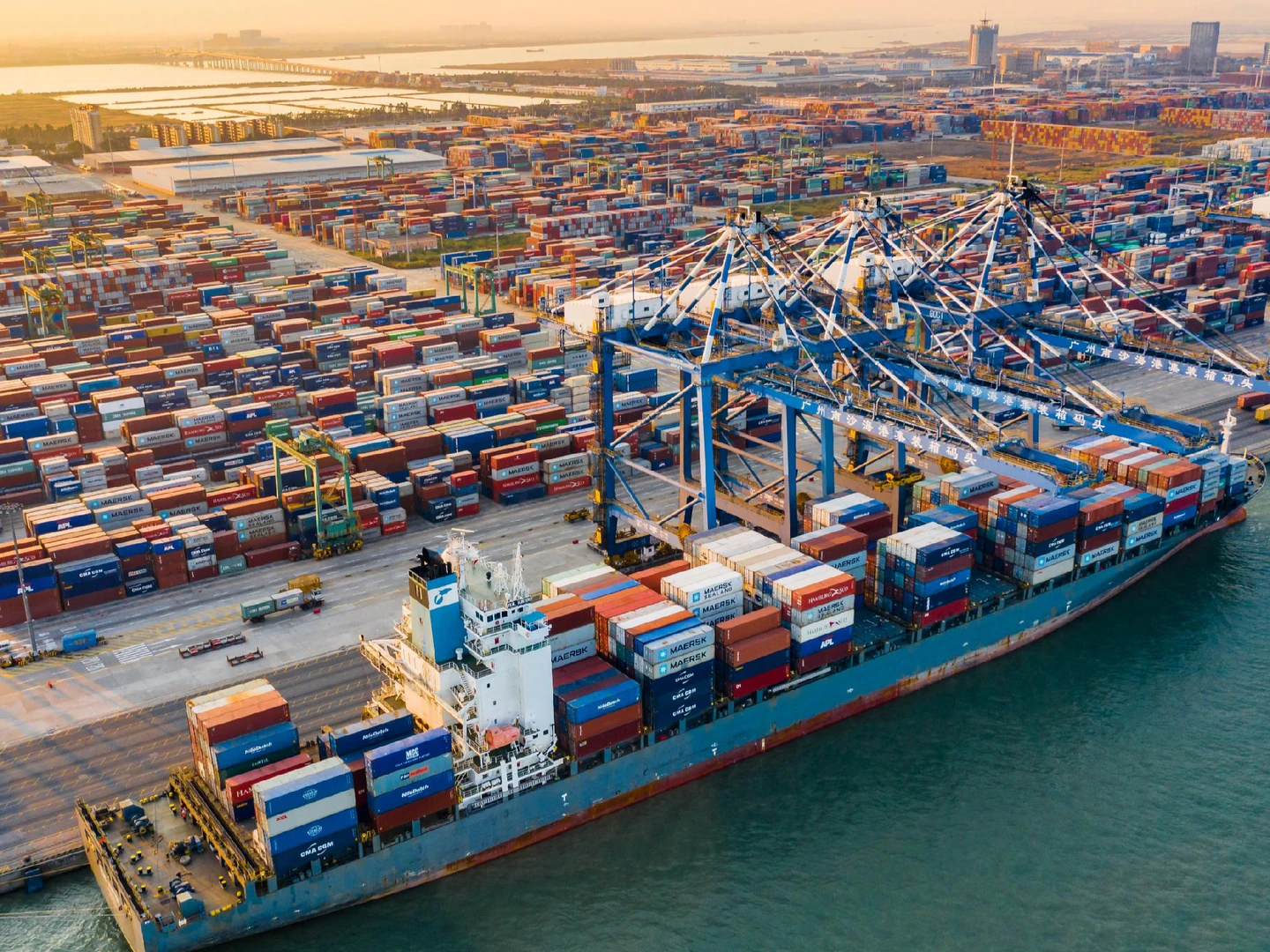
Practical answers for first trial orders and long-term logistics planning across multiple suppliers.
Essential Shipping & Customs Terminology Explained
Navigating cross-border freight requires a clear understanding of international shipping frameworks and compliance requirements. Successfully managing import logistics ensures that goods transition smoothly from Chinese factories through customs checkpoints to destination warehouses without costly delays.
At its core, the true customs clearance meaning encompasses a dual-stage regulatory process: managing origin export declarations in China and completing formal import entry at your home port. Minor discrepancies in paperwork or HS codes during these stages can cause severe supply chain bottlenecks and unexpected demurrage fees.
Vela Sourcing helps buyers translate complex shipping jargon into actionable procurement decisions. By establishing clear logistics protocols early in the manufacturing cycle, we help you lower risk, maintain schedule accuracy, and achieve full control over your supply chain with our warehousing and.
Shipping Customs Pipeline
The end-to-end movement of cargo across international borders, connecting origin factory dispatch and export declaration with destination entry and final warehouse delivery.
Customs Clearance Lifecycle
A comprehensive overview of the customs clearance meaning across document validation, HS code classification, physical inspection, tariff assessment, and final release.
Freight Terms & Incoterms
Legal standards defining responsibilities for costs, risk transfer, and operational tasks across EXW, FOB, CIF, and DDP shipping agreements.
Shipping Marks & Traceability
Essential outer package labels detailing SKU numbers, carton counts, consignee details, and port codes to prevent lost or misrouted cargo.

Beyond Freight Rates: Total Landed Cost
Effective import logistics goes beyond baseline transport rates—incorporating tariffs, port handling, risk mitigation, and transit predictability into true cost evaluations.
Transport Modes & Incoterms: Making the Right Match
Selecting the appropriate transport mode and trade term directly dictates your total landed cost, delivery certainty, and risk exposure when importing from China. Evaluating air freight vs sea freight alongside core Incoterms ensures your supply chain aligns with your margin goals, inventory velocity, and sample development timelines.
1. Air Freight vs Sea Freight & Transport Modes
Balance transit speed, volume constraints, and unit logistics costs across express, air freight, ocean containers, and multimodal routes.
Express Courier
DHL / FedEx / UPS Door-to-Door
- Transit: 3–5 business days
- Cost Tier: Highest per kg
- Flexibility: High (Automated clearance)
Ideal for product prototypes, pre-launch samples, and emergency inventory top-ups before full production.
Standard Air Freight
Airport-to-Airport / Cargo Flights
- Transit: 5–10 business days
- Cost Tier: Moderate to High
- Flexibility: Moderate (Requires entry filing)
Recommended for high-value goods, rapid restocks, and time-sensitive product launches seeking fast market entry.
Sea Freight (LCL/FCL)
Ocean Container Shipping
- Transit: 18–35 calendar days
- Cost Tier: Lowest per CBM / unit
- Flexibility: Rigid port schedules
Essential for commercial mass production, heavy equipment, and scheduled Amazon FBA bulk inventory replenishment.
Rail & Multimodal
Cross-Border Land & Rail Networks
- Transit: 12–20 calendar days
- Cost Tier: Mid-range bridge option
- Flexibility: Route & border dependent
Bridges the cost and lead-time gap between ocean freight and air freight for landlocked destinations and regional distribution.
2. Incoterms Risk & Responsibility Breakdown
Compare EXW, FOB, CIF, and DDP trade terms to establish clear cost boundary lines, freight booking authority, and risk transfer points with China suppliers during verification and negotiation.
EXW (Ex Works)
The buyer assumes all cost and risk from the factory floor, including China inland pickup, export declaration, and origin port handling.
- Seller: Prepares cargo at factory gate
- Buyer: Handles pickup, export, freight, and import
Trade-off: Lowest product purchase price, but maximum operational burden and export liability for overseas buyers.
FOB (Free on Board)
The supplier covers inland transportation and export declaration in China; risk transfers to the buyer once cargo is loaded onto the vessel.
- Seller: Origin trucking, export customs, port loading
- Buyer: Ocean/air carriage, insurance, destination customs
Trade-off: Optimal balance. Gives buyers main freight rate control while delegating China local logistics to the factory.
CIF (Cost, Insurance, Freight)
Supplier pays main transit and basic marine insurance to the destination port, but cargo risk transfers to the buyer as soon as goods are loaded at origin.
- Seller: Main transport and basic transit insurance
- Buyer: Port unloading, import clearance, local delivery
Trade-off: Convenient shipping setup, but destination terminal handling charges (DTHC) can hide unexpected surcharges.
DDP (Delivered Duty Paid)
Seller or forwarder assumes end-to-end responsibility, paying all freight, tariffs, customs duties, taxes, and final door delivery.
- Seller: Total logistics pipeline, tariffs, and door delivery
- Buyer: Simply receives goods at warehouse door
Trade-off: Complete convenience, though overall shipping quotes carry higher service markups with lower cost visibility.
Selection Principles: Total Landed Cost vs. Baseline Quotes
A frequent pitfall in China sourcing is evaluating logistics options purely on baseline freight quotes per kilogram or CBM. Calculating your true total landed cost requires factoring in origin handling charges, customs brokerage fees, import tariffs, cargo insurance, terminal storage fees, and final-mile trucking.
- Account for Inventory Holding Risk: Slower ocean transit ties up working capital. Ensure speed savings offset inventory financing and holding costs.
- Evaluate Tariff Classification: Import duties and taxes depend on exact HS code classifications, regardless of your chosen Incoterm.
- Audit Hidden Terminal Surcharges: Unbundled CIF quotes frequently transfer local port destination fees back to the buyer upon arrival.
Vela Sourcing aligns shipping terms directly with supplier quotes so buyers can make true apples-to-apples comparisons, eliminating hidden fee surprises at destination ports—especially during production follow-up.
Application Match Matrix
Small Parcels & Product Samples
Express Courier (DDP or DAP)
Door-to-door delivery with customs cleared automatically by the express carrier.
Urgent Production Restocks
Air Freight (FOB or DDP Air)
Prevents stockouts on high-margin inventory while main ocean shipments are en route.
Standard Bulk Production
Sea Freight LCL/FCL (FOB terms)
Delivers the lowest per-unit transport cost for planned commercial inventory cycles.
Amazon FBA & Platform Intake
DDP Sea/Air Prep Route
Ensures compliant carton labeling, palletization, and pre-booked fulfillment warehouse slots.
Recommended Setup Strategy
For initial sampling and trial orders, DDP via express or air freight provides maximum speed with zero operational overhead. For ongoing commercial manufacturing and production follow-up, transitioning to FOB ocean freight yields the highest long-term profitability by giving you complete transparency over main carriage rates, destination customs charges, and final-mile delivery routes—supported by end-to-end warehousing and shipping support when volume scales.
Demystifying Freight Billing: Actual vs. Dimensional Weight
International carriers bill shipments using whichever metric yields the higher carrier revenue: total physical weight or total spatial volume displacement. Mastering the distinctions between actual gross weight, dimensional weight, and final chargeable weight empowers buyers to optimize private-label packaging early and prevent unexpected freight invoice surcharges.
The Fundamental Rule of Chargeable Weight
Logistics operators allocate cargo capacity based on dual constraints: aircraft or container maximum mass payload and physical hold volume. Low-density, bulky goods that take up excess space are billed on calculated dimensional weight, while dense, heavy goods are billed on physical product weight.
- Actual Gross Weight: The true scale weight of your cargo, including individual products, inner retail packaging, master cartons, strapping, and wooden pallets.
- Dimensional (Volumetric) Weight: A theoretical weight value converted from the exterior cubic dimensions of master cartons using channel-specific divisors.
- Chargeable Weight: The higher value selected by carriers to apply primary freight rates, fuel surcharges, peak season fees, and destination handling.
Billing Formula Rule
Chargeable Weight = max(Actual Weight, Dimensional Weight)
If a carton shipment weighs 120 kg on a scale but displaced volume equates to a 210 kg volumetric mass, freight forwarders will invoice for 210 kg. Calculating carton density prior to mass manufacturing protects your unit margins.
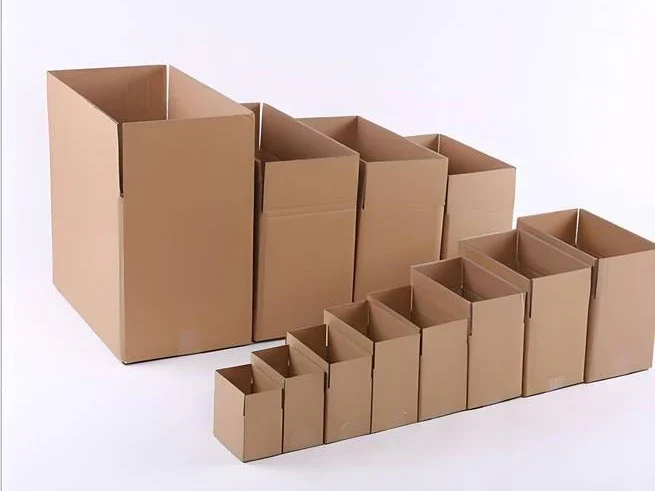
Channel Billing Formulas & Volumetric Divisors
Express Courier Channels
FedEx, DHL, UPS, and international express networks
Volumetric (L×W×H cm)/5000 = Volumetric Weight (kg)
- Standard Divisor: 5000
- Density Conversion: 1 CBM ≈ 200 kg
- Best for high-value goods, small cartons, and urgent samples
Standard Air Freight
Commercial airline cargo & dedicated freighter flights
Volumetric (L×W×H cm)/6000 = Volumetric Weight (kg)
- Standard Divisor: 6000
- Density Benchmark: 1 CBM = 167 kg
- Optimal for mid-sized commercial orders & seasonal replenishment
Ocean Freight (LCL & FCL)
Containerized ocean carriers & cargo consolidators
1 CBM (m³) = 1000 kg (1 Metric Ton)
- Primary Unit: Cubic Meters (CBM)
- Heavy Cargo Rule: Billed by weight if > 1000 kg/CBM
- Most economical for bulk manufacturing and scheduled sea shipments
Real-World Freight Billing Calculation Examples
See how master carton engineering, product density, and packaging layout directly influence billable weight across typical import scenarios.
Bulky & Lightweight Goods
Plush Toys & Foam Packaging
10 master cartons measuring 60 × 50 × 40 cm each (Total Volume: 1.2 CBM). Cargo has high volumetric space but low physical mass.
- Actual Gross Weight: 80 kg
- Air Volumetric Weight (1:6000): 200 kg
- Billed Chargeable Weight: 200 kg
High-Density Compact Cargo
Metal Hardware & Custom Fasteners
5 compact master cartons measuring 30 × 20 × 20 cm each (Total Volume: 0.06 CBM). Mass is heavy while spatial footprint remains minimal.
- Actual Gross Weight: 350 kg
- Air Volumetric Weight (1:6000): 10 kg
- Billed Chargeable Weight: 350 kg
Consolidated Mixed Cargo
Machinery & Retail Packaging
Pairing dense industrial parts with light retail display packaging in a consolidated pallet build to equalize mass and volume.
- Combined Gross Weight: 420 kg
- Combined Volumetric Weight: 415 kg
- Billed Chargeable Weight: 420 kg (Optimized Parity)
Packaging Optimization Warning
Bulging master cartons can inflate final freight bills by 10% to 25%. Forwarders and carriers measure exterior dimensions at the outermost laser points. Overstuffed or insufficiently taped boxes that bow outward by merely 2 cm per side significantly increase your calculated dimensional weight across palletized orders.
Key Takeaway: Mandate rigid, five-ply double-wall corrugated master cartons during factory packaging specifications to preserve structural dimensions and eliminate unnecessary volumetric penalties.
Carrier & Channel Volumetric Variations
While standard IATA air freight operates on a 1:6000 divisor, express couriers and regional charter lines enforce a stricter 1:5000 divisor. Furthermore, ocean LCL consolidators enforce minimum billable CBM baselines (typically 1 CBM minimum), regardless of whether your cargo occupies smaller actual dimensions.
Key Takeaway: Confirm exact channel divisors and minimum volume thresholds on freight quotes before signing off on supplier shipping plans.
Eliminate Freight Billing Surprises Early in Production
Vela Sourcing evaluates package dimensions early in production to eliminate avoidable shipping cost surprises. By reviewing carton engineering and density ratios directly at Chinese factory facilities, buyers protect landed cost margins across every shipping mode—pair this with proactive quality inspection before cargo leaves the plant.
Warehouse Consolidation, Transshipment, & Shipping Marks
Combine cargo from multiple Chinese factories into a single outbound shipment to optimize container load factors, lower per-unit freight costs, and streamline export customs filing.
Warehouse Consolidation Defined
Combine cargo from multiple Chinese factories into a single outbound shipment to optimize container load factors, lower per-unit freight costs, and streamline export customs filing.
Execution Workflow
Inbound Receiving & Tallying → Physical Quantity & Box Audit → Re-boxing & Pallet Consolidation → Compliant Mark Labeling → Port Dispatch & Departure.
Shipping Mark Essentials
Standardize outer-carton labeling with destination details, SKU counts, gross/net weights, carton numbering, and barcode tracking tags for seamless customs scanability.
Operational Risk Control
Prevent misdirected cargo, missing items, illegible barcodes, and costly port staging delays by resolving discrepancies before shipments leave China.
Best Use Cases
Essential for Amazon FBA prep compliance, multi-factory order pooling, mixed-SKU inventory staging, and overseas fulfillment centers.
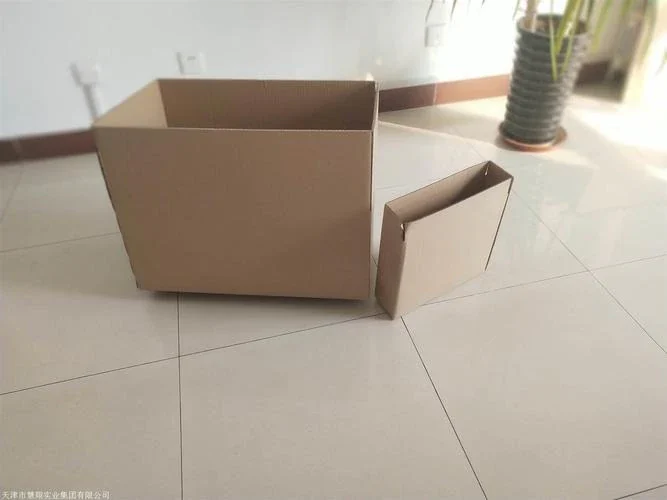
Consolidate Multi-Supplier Cargo
Aggregate shipments from separate suppliers into unified containers to maximize volume discounts and reduce individual bill-of-lading fees.
Enforce Accurate Shipping Marks
Apply clear, compliant labeling and outer-box markings to guarantee rapid clearance and automated warehouse intake.
Mitigate In-Transit Logistics Risks
Catch damaged cartons, incorrect quantities, and missing labeling early at the origin warehouse to avoid operational bottlenecks abroad.
Streamline FBA Prep & Bulk Staging
Tailor packaging, palletization, and custom sticker requirements to satisfy strict fulfillment network standards before export.
Vela Sourcing manages consolidation and outbound labeling in China to keep complex shipments organized and fully compliant before departure.
Customs Documents & Pre-Shipment Compliance Checklist
Assemble a complete paperwork package and verify data accuracy before dispatch to prevent customs holds, duty penalties, and destination entry delays.
- Essential Customs Documents: Assemble a complete paperwork package, including the Commercial Invoice (CI), Packing List (PL), Bill of Lading (B/L) or Air Waybill (AWB), and Export Customs Declaration prior to dispatch.
- Mandatory Data Fields: Ensure full alignment on detailed product descriptions, material compositions, itemized unit values, net/gross weights, total commercial value, and Country of Origin labels.
- HS Code & Declaration Accuracy: Verify 6-to-10-digit Harmonized System (HS) codes against import tariff schedules, validate consignee tax details, and confirm destination market compliance standards.
- Discrepancy Prevention: Cross-check packing lists against real cargo quantities, unit counts, and physical packaging to prevent red flags during border authority inspections.
- Pre-Shipment Physical Audit: Inspect master carton labeling, barcode scannability, packaging integrity, and palletization before loading into shipping containers.
High-Risk Clearance Pitfalls
- Using vague cargo descriptions (e.g., “goods” or “samples”) that trigger manual customs holds.
- Discrepancies between physical carton contents and declared packing list quantities.
- Incorrect HS code classification resulting in duty miscalculations or regulatory fines.
- Missing or non-compliant “Made in China” origin markings on outer packaging.
- Illegible, damaged, or unscannable shipping marks and barcode labels.
Vela Sourcing verifies shipment paperwork against physical cargo before goods leave the consolidation warehouse. By conducting rigorous pre-shipment document audits, line-item verification, and packaging checks, we help global buyers prevent customs holds, avoid unexpected duty penalties, and guarantee seamless entry at destination ports.
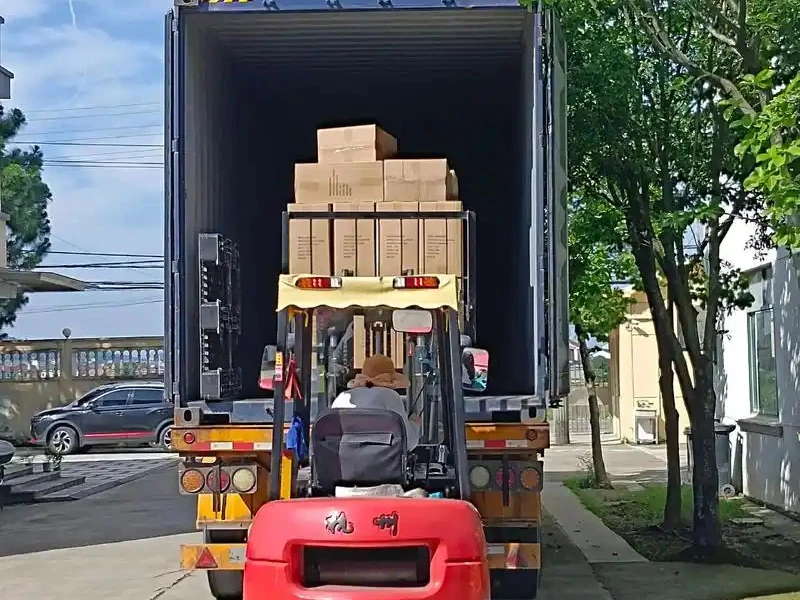
Selecting the Right Logistics Framework: Speed vs. Cost vs. Risk
Designing an efficient international shipping solution from China requires balancing delivery speed, freight expenditure, product sourcing timing, and customs risk. Selecting the wrong transport mode or Incoterm can easily erase product margins through unexpected landed costs, demurrage penalties, or port delays during customs clearance.
At Vela Sourcing, we help global buyers evaluate total landed cost structures, aligning air, ocean, and express routes with product margins, inventory turnover velocity, and critical fulfillment deadlines.
Speed First: Rapid Market Entry
Prioritizes international air express and fast air freight to test new product launches, support sample development, eliminate out-of-stock events, or quickly react to unexpected market demand.
- Recommended Route: Express Courier / Air Freight
- Transit Window: 3 – 8 Business Days
- Best Cargo Profile: Samples, High-Margin Goods
Cost Optimization: Margin Focus
Leverages ocean freight (FCL and LCL) or rail corridors to minimize per-unit shipping expenses on high-volume, predictable restocks and lower-margin goods.
- Recommended Route: Ocean Freight (FCL / LCL)
- Transit Window: 18 – 35 Days
- Best Cargo Profile: Bulk Restocks, Heavy Goods
Risk Mitigation: Landed Certainty
Utilizes managed DDP (Delivered Duty Paid) channels to secure guaranteed landed costs, simplify customs compliance, and avoid unexpected destination port holds.
- Recommended Route: DDP Ocean / DDP Air Freight
- Transit Window: 10 – 28 Days
- Best Cargo Profile: FBA Prep, Multi-Factory Stock
Cargo Profile Matching: Finding Your Optimal Shipping Solution
Selecting the right shipping solution is never a one-size-fits-all formula. Each product category carries distinct weight-to-value ratios, tariffs, inventory holding costs, and seasonal urgency. A comprehensive logistics comparison helps map specific cargo profiles directly to the most cost-effective freight decisions.
| Cargo Profile | Strategic Priority | Recommended Freight Route | Customs Clearance Strategy | Total Landed Cost Impact |
|---|---|---|---|---|
| Product Samples & Prototypes | Maximum Speed | Courier Express (DHL / FedEx) | Informal / Express Clearance | Higher unit rate, zero holding risk |
| High-Margin Consumer Electronics | Security & Speed | Direct / Standard Air Freight | Pre-Cleared Formal Entry | Balanced ratio preserving high gross product margins |
| Bulk Commodities & Heavy Hardware | Cost Reduction | Ocean Freight (FCL / LCL) | Formal Entry (FOB or EXW Terms) | Lowest possible per-unit freight expense at scale |
| Mixed-Supplier Amazon FBA Inventory | Risk Mitigation | Consolidated DDP Ocean / Air Routes | Managed DDP Destination Entry | Predictable, single-invoice price with duty included |
Calculating Total Landed Cost Beyond Freight Quotes
Focusing exclusively on base freight rates per kilogram or cubic meter (CBM) often blinds buyers to hidden supply chain expenditures. A realistic total landed cost calculation incorporates factory purchase price, origin handling fees, export customs declarations, import tariffs, customs brokerage, cargo insurance, port demurrage, and final-mile delivery.
When evaluating transport channels, weigh the financial cost of stockouts against higher transit charges. Rapid air freight carries a higher shipping quote upfront, but it protects critical sales velocity and cash flow during peak purchasing seasons.
Aligning Business Stage with International Trade Terms
Emerging importers and growing e-commerce brands often benefit from DDP (Delivered Duty Paid) frameworks that bundle freight, tariffs, and customs clearances into a single predictable invoice. As shipment volumes grow, transitioning to FOB or EXW provides granular control over carrier routing, port entry, and customs declarations.
Vela Sourcing conducts pre-shipment logistics evaluations to ensure your freight decision aligns with operational capacities, eliminating unexpected tariff charges and clearance delays.
The Decision Rule
Base Freight Decisions on Total Inventory Velocity, Not Just Unit Quotes
Logistics setups must be calculated against inventory turnaround speed, margin buffers, and delivery commitments. Vela Sourcing assists overseas buyers in engineering customized shipping setups tailored to their exact growth trajectory.
Frequently Asked Questions About Shipping & Customs
Clear answers on transit timelines, duty terms, dimensional weight rules, and document preparation to keep your China supply chain moving smoothly.
How long does shipping from China typically take across different freight modes?
Transit times vary by shipping mode: Courier express takes 3–5 days, standard air freight takes 5–10 days, while ocean freight ranges from 18–35 days depending on the destination port, route, and customs clearance processing.
Is DDP (Delivered Duty Paid) always the most hassle-free option for buyers?
DDP simplifies delivery by transferring customs clearance and duty responsibilities to the forwarder, making it ideal for hands-off logistics. However, buyers requiring direct supply chain visibility or duty write-offs often prefer FOB or DAP terms.
Why does dimensional weight matter more than actual weight for lightweight cargo?
Carriers allocate cargo space by both volume and gross weight. Lightweight, bulky goods occupy space that could otherwise hold heavier cargo, so freight carriers charge based on volumetric weight whenever it exceeds actual weight.
Which types of buyers benefit most from warehouse consolidation in China?
Consolidation is ideal for buyers sourcing from multiple suppliers across China. Merging smaller factory batches into a single shipment cuts customs declaration fees, reduces terminal handling charges, and streamlines intake.
How far in advance should shipping customs paperwork be finalized?
Complete commercial invoices, packing lists, and clearance documents should be finalized at least 3–5 days prior to cargo pickup. Early verification prevents export delays, origin port holds, and unexpected storage fees.

Specialist Advisory
Need help planning your China shipping and customs strategy? Vela Sourcing can help you review shipping options and paperwork before you commit to a shipment. Maximize operational cost efficiency, streamline clearance workflows, and eliminate preventable port holds.
Guaranteed Response Within 1 Business Day Speak with a Logistics SpecialistReady to Optimize Your China Shipping & Customs Setup?
Share your cargo profile, Incoterm preference, and destination requirements. We will help you select transport modes, verify documents, and structure a clear warehousing and shipping workflow.
Contact Vela Sourcing Team
- WhatsApp: +86 13954091520
- Email: sales@velasourcing.com
- Address: No. 1120, Shunhua Road Subdistrict, Lixia District, Jinan City, Shandong Province, China

Partner Outcomes
- Clearance Clarity — Document and HS code alignment before cargo leaves China.
- Landed Cost Control — Chargeable weight and Incoterm choices that protect margins.
- Consolidation Ready — Multi-supplier staging, marks, and FBA prep at origin.
Partner with Vela Sourcing to turn China shipping complexity into a predictable customs and freight workflow.