
Corrugated Boxes from China
Source reliable, custom-engineered shipping cartons with complete control over flute types, stacking strength, custom branding, and low MOQs. Vela Sourcing connects you directly with vetted Chinese packaging manufacturers through our product sourcing support to ensure flawless sample approval and protected global transit.
Trusted Global Supply Chain Partner
Vetted China Factories
Direct access to vetted corrugated manufacturers matched to flute, ECT, and print requirements
Pre-Production Samples
Structural white samples and printed proofs before mass production commitment
Export Packing Support
Container loading density, moisture protection, and export carton marking guidance
On-Site Quality Checks
Edge crush, burst strength, glue lines, and piece-count verification before shipment
What Corrugated Boxes Are and Why They Work for Shipping
Understanding the fundamentals of corrugated boxes is essential for optimizing global supply chain efficiency, reducing freight costs, and preventing product damage. Unlike standard folding paper boxes or lightweight retail packaging, corrugated boxes are engineered structural containers specifically designed for rigorous transit, heavy stacking, and long-term warehousing.
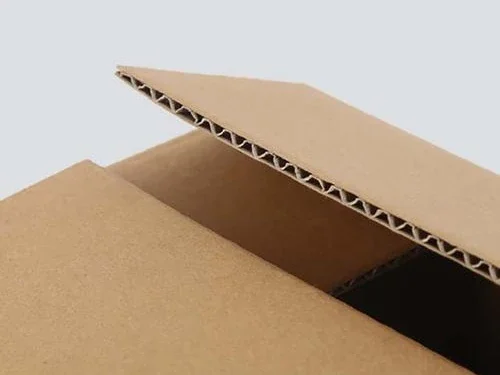
The structural strength of corrugated board comes from a multi-layer composite design. It features flat outer and inner paperboard layers (liner paper) sandwiching a wave-shaped fluted medium. This arch-based fluting acts as a built-in shock absorber and vertical support column, delivering the superior edge crush resistance and impact cushioning required during long-distance domestic logistics or ocean freight shipping.
Corrugated Boxes vs. Standard Paper Boxes
- Standard paper boxes / folding cartons: Single-layer paperboard used primarily for lightweight retail goods like cosmetics or food. Offers crisp graphics but minimal compression strength for shipping.
- Corrugated boxes: Multi-layer fluted board designed for structural loads, pallet stacking, bulk export cartons, and rugged multi-stop freight handling.
Core Operational Applications
- Outer Master Cartons: Protects multiple retail products during overseas shipping, distribution, and palletized container freight.
- Warehouse & Storage Boxes: Engineered for top-load compression resistance and vertical stacking strength under warehouse humidity.
- E-Commerce & Parcel Mailers: Delivers reliable direct-to-consumer protection, clean branding presentation, and puncture resistance.
At Vela Sourcing, our focus goes beyond matching you with China manufacturers. If your program also includes warehousing and shipping, we evaluate your actual supply chain conditions—including transit time, ambient humidity, stacking weight, and freight methods—to ensure every custom shipping carton delivers maximum protection for your dispatch requirements.
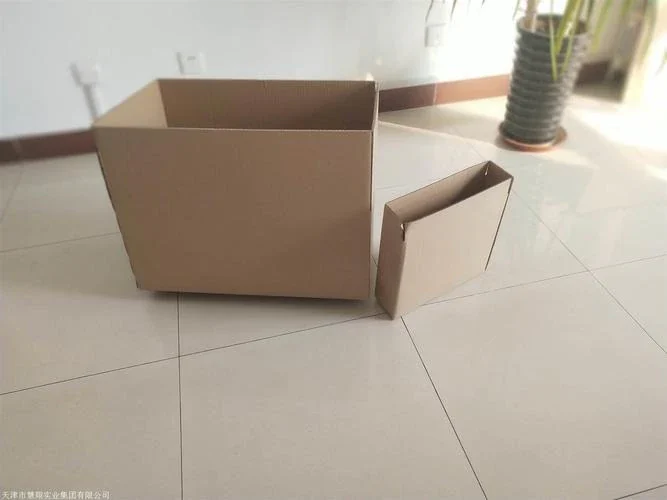
Common Corrugated Box Styles and Structural Selection
Choosing the right corrugated carton types is essential for controlling unit costs, maximizing freight efficiency, and supporting supplier verification and product protection during transit. Evaluate our core shipping carton styles below to match your payload requirements, unboxing goals, and global logistics workflow.
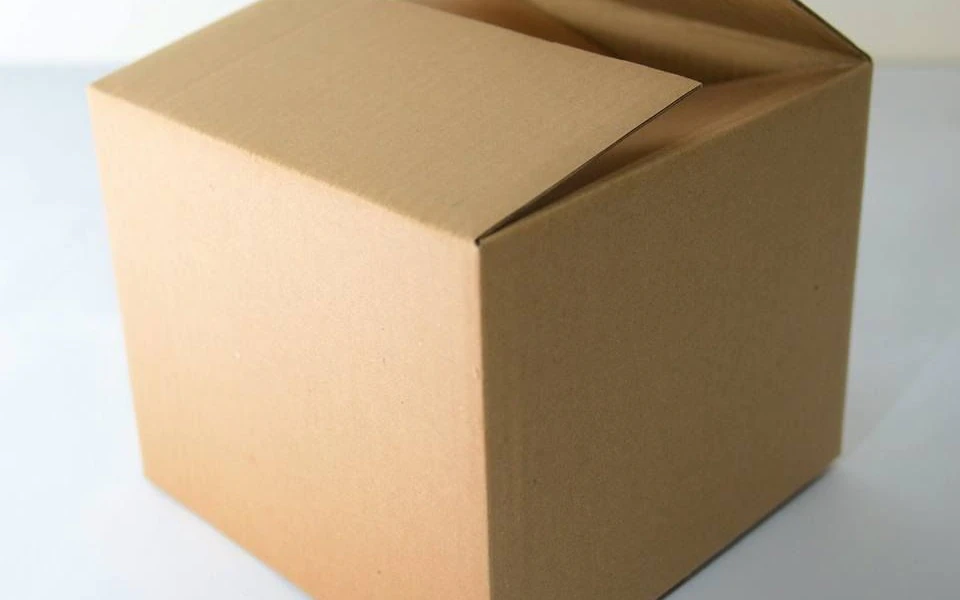
Regular Slotted Carton (RSC)
The world's most widely used shipping outer carton. All flaps are equal in length from the score line to the edge, meeting at the center for efficient taping with zero material waste.
Best for: Export master packs, warehouse cartons, general freight
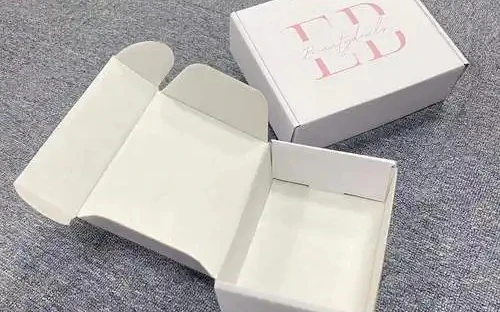
Die-Cut Mailer Box
Engineered precision box featuring self-locking tabs and reinforced side panels. Assembles quickly without requiring external tape along primary opening edges.
Best for: DTC parcels, subscription kits, branded unboxing
Heavy Duty Corrugated Boxes
Constructed with dual fluting layers (such as BC or BE flute combinations) designed to withstand high payloads, extreme stacking pressure, and long-distance ocean transit.
Best for: Industrial parts, bulk freight, multi-pallet stacks
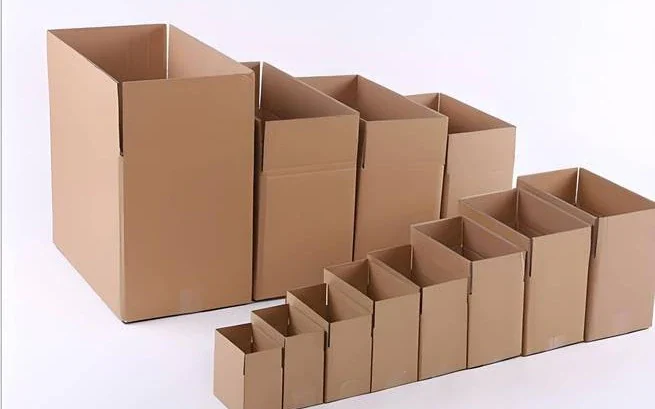
Telescoping Container
Features separate top cover and bottom tray sections that slide over one another. Once fitted, the overlapping sidewalls create double-wall vertical side protection.
Best for: Tall products, variable-height loads, premium shipping
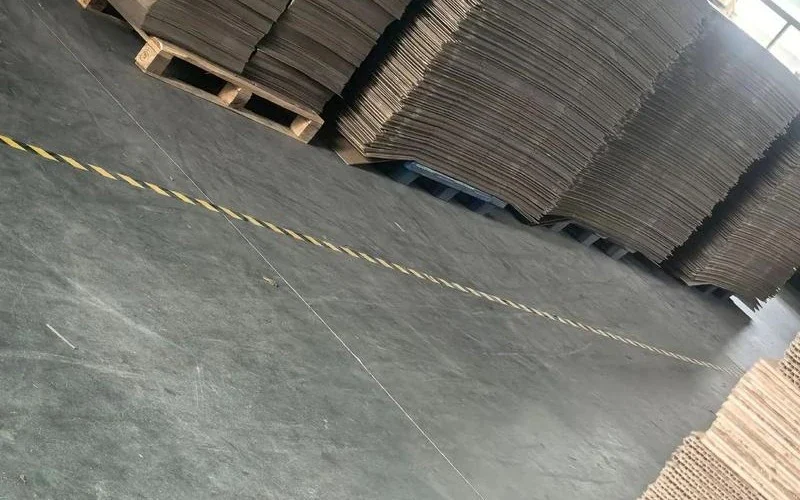
Partition & Divider Carton
An outer RSC box or die-cut carton fitted with customized interior corrugated or solid fiberboard grid dividers to separate, organize, and cushion individual items.
Best for: Glass bottles, cosmetics, electronics components
Selecting Box Structures by Packing & Logistics Scenario
Carton performance depends on how well the structure aligns with your packaging line workflow, inner product dimensions, and container transport methods. Choose auto-bottom crash-lock boxes or self-locking die-cut mailers to eliminate excessive taping, streamline fulfillment labor, and speed up order processing. Specify strict dimensional tolerances on standard RSC box designs to prevent operational jamming on automated case erectors and high-speed tape sealing machines.
Integrate custom corrugated trays, corner pads, or partition inserts inside outer cartons to lock delicate items in place and reduce loose void-fill materials.
Corrugated Board Specifications & Carton Strength Parameters
Sourcing cost-effective, high-performance corrugated boxes from China requires a clear understanding of flute types, paper grades, and structural load metrics. For buyers comparing suppliers, our product sourcing review checks paperboard specifications and strength requirements during sampling to reduce costly rework after mass production begins. For branded retail programs, private-label packaging support helps align print quality, structure, and shelf presentation.
3-Layer (Single-Wall)
Comprises an outer liner, fluted medium, and inner liner. Cost-effective and lightweight for standard postal and courier shipping.
5-Layer (Double-Wall)
Features two fluted mediums and three structural liners. Essential for heavy products (>20 kg / 45 lbs), multi-pallet stacking, or ocean freight.
7-Layer (Triple-Wall)
Constructed with three fluted mediums and four liners. Replaces wooden crates for heavy industrial equipment, automotive components, and bulk liquid totes.
Flute Types & Thickness Characteristics
Overall carton performance depends on a balanced calculation of paper weight (GSM), liner quality (virgin Kraft vs. recycled Test liner), and flute height—not just visual wall thickness. Matching Edge Crush Test (ECT) ratings to your pallet stack height and freight conditions guarantees structural integrity across global supply chains.
| Flute Type | Approx. Thickness | Flutes / Foot | Primary Advantage | Recommended Application |
|---|---|---|---|---|
| A Flute | 4.8 mm (~3/16") | 33 ± 3 | Maximum top-to-bottom compression & thickest cushioning layer | Fragile items, glass containers, and heavy delicate equipment |
| B Flute | 3.0 mm (~1/8") | 47 ± 3 | High flat-crush resistance, dense surface for high-resolution flexo print | Canned goods, die-cut custom inserts, counter displays, and inner boxes |
| C Flute | 4.0 mm (~5/32") | 39 ± 3 | Versatile all-around balance of crush strength and stacking capacity | Standard Master Shipping Cartons (RSC) and general master packs |
| E Flute | 1.5 mm (~1/16") | 90 ± 4 | Superior printability, smooth folding creases, compact storage footprint | E-commerce mailers, direct-to-consumer retail boxes, cosmetic packs |
| BC Flute (Double Wall) | 6.5 - 7.0 mm | Combined (B+C) | Exceptional stacking power, side-wall rigidity, and drop-impact defense | Heavy industrial export packaging, bulk machinery, long-haul sea freight |
| BE Flute (Double Wall) | 4.5 - 5.0 mm | Combined (B+E) | High structural compression paired with a clean, printable outer surface | High-end subscription packaging, heavy retail displays, electronics shipping |
Environmental Impact & Inspection Standards
- Even high-grade double wall corrugated boxes can experience up to a 50% drop in vertical compression strength when exposed to high-humidity transit conditions, such as tropical ocean shipping.
- Pairing those requirements with ECT quality inspection during pre-production helps prevent strength shortfalls and ensures factory specifications hold up in real transit conditions.
- Paper fibers absorb atmospheric moisture. High relative humidity (>80%) significantly degrades ECT values during long-distance maritime shipping.
- Rigorous factory inspections ensure inner/outer dimensions stay within tight ±2mm tolerances to prevent automated packaging line jams.
Printing, Private Label, and Sample Approval Process
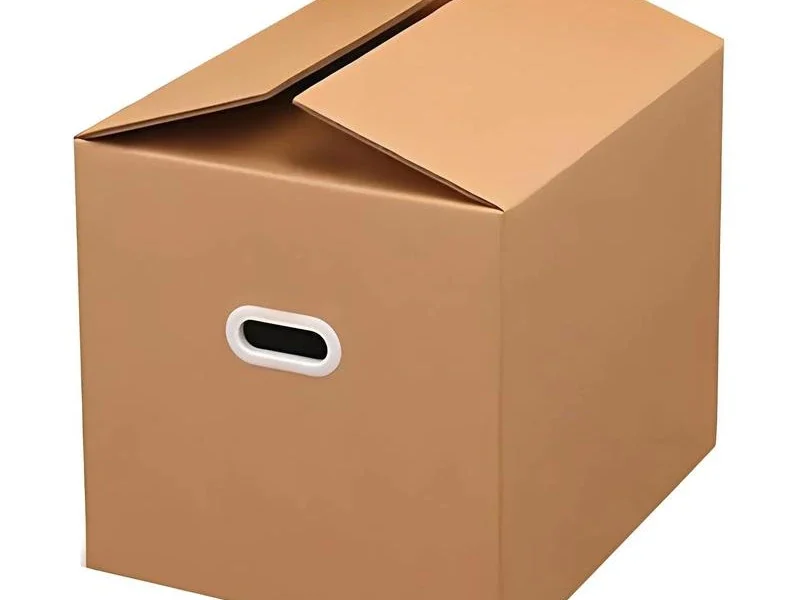
Custom corrugated boxes require far more than just length, width, and height specifications. Aligning branding artwork, verifying structural samples, and locking in pre-production sign-offs are the critical steps that separate a smooth export run from costly bulk re-work. Most corrugated box manufacturers in China utilize flexographic (flexo) printing for master shipping cartons and export packaging—with private-label packaging support when retail presentation matters.
1-color (1C) flexo print
Single-color logos, handling icons, or text. Delivers the lowest unit cost and fastest production lead time—ideal for standard shipping cartons.
2-color (2C) flexo print
Incorporates two distinct spot colors for clear brand identification, dual-tone logos, and prominent hazard markings on custom shipping cartons.
Outer carton information printing
Directly imprints crisp barcodes, SKU numbers, shipping marks, gross/net weight, and destination details across exterior panels.
Essential Layout Elements for Outer Shipping Cartons
- Brand name and logo: Establishes instant visual identity for private label products upon warehouse delivery.
- Scannable barcodes and SKUs: Pre-tested for scannability to prevent processing delays at Amazon FBA or 3PL facilities.
- Carton specifications: Explicitly states pack quantity, gross weight, net weight, and box dimensions on side panels.
- Shipping and destination marks: Features PO numbers, consignee details, port of entry, and country of origin markings.
- Standardized handling symbols: Displays ISO warning icons like “Fragile,” “This Side Up,” “Keep Dry,” and stacking limits.
MOQ, Lead Times, and Customization Variables
- Unprinted standard Regular Slotted Cartons (RSC) carry low MOQs—often starting at 500 to 1,000 units.
- Custom die-cut mailer boxes require physical steel dies, usually raising factory MOQs to 1,000–3,000 units.
- Custom flexo printing adds 3–7 working days upfront to engineer printing plates and review strike-off proofs.
Sample Approval: 4 Step-by-Step Stages
01
Structural White Sample
An unprinted physical sample created via CAD plotters verifies internal dimensions, flap clearance, fold accuracy, and fit for your packaged goods without printing costs.
02
Printed Prototype
A fully printed prototype evaluates brand logo positioning, color tone accuracy, barcode clarity, and shipping mark readability before production plates are approved.
03
Strength Validation
Validates paperboard Edge Crush Test (ECT) ratings, burst strength, seam joint gluing, and tape adhesion. Drop and stack tests ensure boxes survive transit hazards.
04
Mass Production Sign-Off
Sequential quality gates lock dimensional tolerances, print layout, and board grade before factories begin bulk converting runs.
Ready to confirm your custom corrugated box specs?
Send your artwork files or sample requirements, and Vela Sourcing will coordinate factory technical reviews and sample approvals.
Send box specificationsApplication Scenarios & Corrugated Box Selection Guide
Selecting the right corrugated boxes for shipping starts with evaluating your specific logistics environment. For brands that need private-label packaging support, Vela Sourcing reviews your product dimensions, handling routes, and load requirements to match you with ideal carton structures that prevent transit damage and optimize landed costs.
E-Commerce Shipping
Ideal for standard shipping boxes and direct-to-consumer parcel delivery. Standardized dimensions help lower dimensional weight surcharges while custom-printed outer boxes enhance brand presentation upon delivery.
Recommended: Die-cut mailer boxes & standard RSCs
Warehousing & Transfer
Designed for long-term stacking, inter-warehouse transfers, and bulk storage. Engineered with superior top-to-bottom compression resistance to maintain structural stability throughout multi-tier inventory handling.
Recommended: High-ECT C-Flute or BC-Flute RSC cartons
Packaging for Fragile Items
Built for delicate electronics, glass bottles, cosmetics, and sensitive goods requiring extra shock absorption. Combines custom corrugated dividers, protective inserts, or double-wall structures to isolate individual items against impact.
Recommended: Double-wall cartons with custom partitions
Industrial Parts & Equipment
Constructed for heavy hardware, auto components, and industrial machinery. Features high-grammage kraft linerboard and heavy-duty double or triple-wall fluting capable of holding high weight capacities without bulging.
Recommended: Heavy-duty BC or BE flute master cartons
Export Container Loading
Engineered specifically for intermodal ocean freight and warehousing and shipping workflows. Incorporates moisture-resistant adhesives and durable linerboard to withstand ocean humidity, temperature shifts, and long transit cycles.
Recommended: Moisture-resistant double-wall export cartons
Palletized Bulk Freight
Calculated precise-fit cartons designed to align with standard pallet footprints. Prevents pallet overhang, reduces void space, and stabilizes full container loads during forklift handling and transport.
Recommended: Modular RSC cartons & heavy bulk containers
Information Needed Before Requesting a Quote
- Product Dimensions: Outer/inner length × width × height (mm or inches)
- Gross Weight: Total load weight per box and packaging units
- Quantity Per Carton: Units per box and stacking requirements
- Board / print preferences: Flute type, ECT target, and branding needs
China Factory Sourcing Workflow and Quality Control
From initial inquiry to final shipment, navigating overseas production requires rigorous risk mitigation to prevent defective batches and costly delays. Vela Sourcing connects supplier communication, sample approval, and shipment inspection into one actionable sourcing chain—securing your supply chain from end to end.
Step 1
Confirm Requirements
Lock in exact internal dimensions, gross weight limits, packing methods, and target performance metrics before contacting factories.
Step 2
Screen Manufacturers
Evaluate corrugated box manufacturers in China against your technical specifications, MOQ limits, and unit price targets through supplier verification.
Step 3
Sample Approval
Approve physical prototypes for structural integrity, paperboard stiffness, print registration, and dimensional tolerances via sample development.
Step 4
Production Follow-Up
Monitor paperboard procurement, die cutting precision, ink adhesion, and lead time milestones directly on the factory floor with production follow-up.
Step 5
Quality Inspection
Conduct pre-shipment quality inspection focusing on edge crush resistance, burst strength, glue line bonding, and piece counts.
Step 6
Logistics Arrangement
Coordinate container loading density, pallet consolidation, moisture-proof wrapping, and customs clearance pre-treatment.
How Vela Sourcing De-Risks Your Order at Each Stage
Technical Spec Translation
We convert your payload weight and drop-test requirements into precise, factory-ready structural data sheets covering specific material compositions, flute types, and ECT metrics.
Vetted Supplier Screening
We audit corrugated box manufacturers in China to verify actual machine tolerances, testing equipment availability, and historical compliance records rather than trusting unverified online listings.
Rigorous Sample Testing
We evaluate physical structural samples and complete custom print proofs against color targets and alignment marks prior to issuing mass production sign-offs.
Common Sourcing Risks & How We Address Them
| Risk | Where It Occurs | Workflow Control Point | Outcome |
|---|---|---|---|
| Paperboard Liner Substitution | Material Procurement | Step 4 — Production Follow-Up | Grammage verified before converting |
| Incorrect Internal Dimensions | Die Cutting & Slotted Setup | Step 3 — Structural Sample Approval | Tooling adjusted prior to production |
| Weak Joint Gluing | Folder-Gluer Assembly | Step 5 — Pre-Shipment Inspection | Defective cartons isolated & remade |
| Graphic Misalignment / Color Drift | Flexographic / Offset Printing | Step 3 — Printed Sample Sign-Off | Plates re-aligned to artwork lines |
| Inaccurate Bundling / Discrepancy | Strap Packing & Stacking | Step 5 — Quantity Verification | Total volume reconciled on factory floor |
Frequently Asked Questions About Corrugated Boxes
Get direct answers regarding custom shipping carton FAQ, sample approvals, flute configurations, carton strength testing, and factory lead times before starting your production run.
What is the typical corrugated box MOQ, and are small trial orders supported?
Standard minimum order quantities ( corrugated box MOQ ) for customized production typically range from 1,000 to 3,000 units . This requirement depends heavily on the overall dimensions, board grade, and required print setup. Standard Regular Slotted Cartons (RSC) with simple flexo printing usually carry lower minimum thresholds compared to intricate, custom-engineered die-cut mailer boxes. While small trial orders of 500 to 1,000 units are frequently negotiable, they carry higher unit costs due to fixed machine calibration, raw paperboard mill runs, and custom steel-rule tooling fees. Vela Sourcing leverages established relations with agile corrugated box manufacturers China relies on to match growing brands with reasonable entry-level volumes.
Are corrugated box sample options free, and how long does structural sampling take?
Unprinted structural prototypes (frequently called "white samples" or unprinted blanks) are typically provided free or at minimal cost, with the buyer covering international courier fees. Fully customized, high-fidelity digital or offset-printed samples require formal production setups, incurring a corrugated box sample fee between $50 and $200 , which factories routinely credit back upon mass production commitment. Turnaround times average 3 to 5 business days for plain structural blanks, and 7 to 10 business days for fully rendered, artwork-mapped mockups. Implementing a rigorous sample development stage guarantees dimensions, layout alignments, and structural closures are flawless before investing in large-scale manufacturing runs.
How do I verify if a package is strong enough, and when is a formal carton strength test needed?
Structural integrity is verified using two core laboratory metrics: the Edge Crush Test (ECT) , which dictates vertical stacking performance, and the Burst Strength (Mullen Test) , which measures multi-directional puncture resistance. For standard parcel handling, single-wall boards rated at 32 ECT or heavy-duty double-wall boards rated at 44 ECT serve as reliable industry baseline standards. A formal laboratory carton strength test (such as Box Compression Testing or ISTA drop protocols) becomes necessary if your contents exceed 30 lbs, are inherently fragile, or undergo intensive double-stacking in humid ocean containers. Vela Sourcing cross-checks factory paperboard grades and overseas compression ratings to prevent crushing failures along the logistics chain.
What custom corrugated box printing methods and private label options are available?
Chinese manufacturing facilities offer three primary print methods to handle custom shipping carton requirements and retail branding: Flexographic Printing (1C/2C/3C): Highly efficient, budget-friendly method applied directly to kraft or white liners. Best suited for high-volume shipping marks, barcode blocks, handling icons, and simple vector logos. Offset Litho-Lamination: Imprints premium, ultra-sharp full-color graphics on fine paper sheets before laminating them onto the fluting. Recommended for upscale retail packaging and premium e-commerce unboxing displays. Digital Printing: Utilizes advanced industrial inkjet printers directly on the board. Eliminates expensive print plate setups, making it ideal for low-volume seasonal trials or localized SKU adaptations.
What is the structural difference between a standard paper box and a corrugated box?
Standard paper boxes (often classified as folding cartons or cosmetic cardstock packaging) are manufactured out of a single layer of compressed, rigid paperboard. They are optimized for fine interior retail presentations, offering crisp print resolutions but minimal mechanical defense against crush forces. In contrast, genuine corrugated boxes utilize a multi-layer composite system where a wave-like fluted medium is firmly glued between flat interior and exterior linerboards. This engineered internal arch architecture delivers excellent shock absorption, puncture deflection, and extreme top-load stacking stability, making it the required choice for master export cartons and heavy freight transit.
What primary variables affect overall production and lead times for bulk custom cartons?
Standard mass production lead times typically fall between 12 to 18 business days following final electronic proof verification and signed sample validation. Turnaround timelines are driven by three structural dependencies: Raw Board Processing: Sourcing unconventional paper weights or composite multi-wall flutes (such as BC or BE double-wall structures) requires coordinating targeted mill runs at the corrugation facility. Tooling Fabrication: Building industrial steel-rule die-cut molds and casting rubber flexo printing plates adds roughly 2 to 4 days during the initial setup phase. Finishing Treatments & Scale: Demanding protective surface treatments, including moisture-resistant wax coats, matte film laminations, or high-volume orders, lengthen drying and assembly cycles.
Vela Sourcing has helped many overseas brands solve custom corrugated box sourcing questions. If your specific question is not listed here, contact the sourcing team for direct technical support within 24 to 48 hours.
Ready to Secure Your Packaging Supply Chain?
Mitigate transit damage, resolve sizing inaccuracies, and access direct factory pricing. Connect with Vela Sourcing to match your box specs with the right China supplier.
Send your box specsSend Your Box Specs and Get Matched with the Right China Supplier
Submit dimensions, board structure, print files, MOQ, and sample requirements in one easy step. Vela Sourcing matches your exact specifications with the most qualified China corrugated box factory, while supporting product sourcing, supplier verification, and sample development when your project needs deeper technical coverage—plus production follow-up and Explore Services coordination as needed.
Contact Vela Sourcing Team
- WhatsApp: +86 13954091520
- Email: sales@velasourcing.com
- Address: No. 1120, Shunhua Road Subdistrict, Lixia District, Jinan City, Shandong Province, China
What We Coordinate After You Submit:
- Fast Reply — Quick quote turnarounds
- Supplier Screening — Vetted manufacturing partners
- Sample Confirmation — Pre-production verification
- Quality Follow-up — Rigorous inspection process
Request a Quote for Custom Corrugated Boxes
Submit your box dimensions, strength target, printing needs, and quantity. Fast response times • Direct factory pricing • Full quality assurance